Corridor read
Bobcats in the United States: Understanding Their Role in Nature
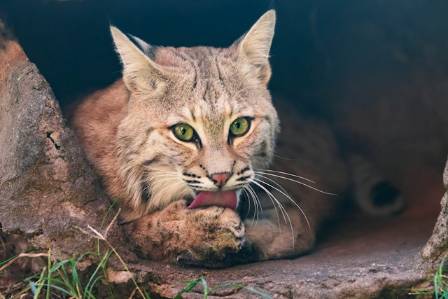
Bobcats are medium-sized wild felines that naturally occur throughout North America. They are highly adaptable animals capable of surviving in a variety of environments. Their most recognizable characteristics include black tufts on their ears and a naturally short tail, which is the feature that gives them their common name.
Lucan Sterling
Temple note
Layer tip
The full corridor digest continues below along soft meter ticks.
Path
Temple Corridor
Bobcats are medium-sized wild felines that naturally occur throughout North America. They are highly adaptable animals capable of surviving in a variety of environments. Their most recognizable characteristics include black tufts on their ears and a naturally short tail, which is the feature that gives them their common name.
Like domestic cats, bobcats use their whiskers as sensitive tools for exploring their surroundings. These specialized hairs help them judge nearby objects and determine whether an opening is wide enough for their bodies to pass through. Their excellent vision also allows them to see effectively in low-light conditions and during the night.
Despite these similarities, bobcats are unmistakably wild animals. They are roughly twice the size of an average house cat and have a stronger, more rugged appearance. They are also considerably faster runners and can reach speeds of approximately 25 to 30 miles per hour.
Physical Features
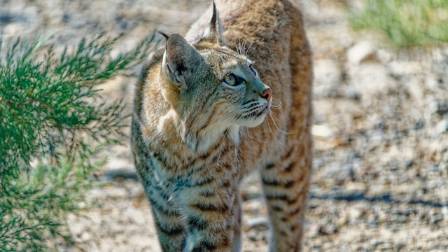
The bobcat, scientifically known as Lynx rufus, may resemble an oversized domestic cat, but several features clearly distinguish it. It has a larger body, a short tail, and prominent black tufts of fur extending from the tops of its ears.
Bobcats are sometimes mistaken for the Canadian lynx, and the confusion is understandable because both belong to the lynx group and share characteristics such as short tails and ear tufts. However, the Canadian lynx has exceptionally large, heavily furred feet that function much like natural snowshoes, helping it move through deep snow.
Other members of the lynx group include the Iberian, or Spanish, lynx and the Eurasian lynx. These cats often have spotted coats that provide effective camouflage, allowing them to remain concealed from prey until the right moment to attack.
Hunting Strategies
Bobcats are stealthy and patient hunters. Rather than immediately chasing their prey, they often remain hidden and quietly approach until they are close enough to launch a sudden attack. This element of surprise is an important part of their hunting strategy.
Their diet mainly consists of smaller animals, including rabbits, snowshoe hares, and various rodents. They can occasionally take larger prey as well. Powerful hind legs allow bobcats to leap considerable distances when attempting to capture an animal.
These agile cats are also capable climbers and can move through rocky landscapes while pursuing prey, giving them additional advantages across the varied environments they inhabit.
Territorial Behaviors
Bobcats are generally solitary animals and prefer to maintain their own territories. Each individual establishes a home range that it uses for hunting, resting, and other daily activities.
To communicate ownership of an area, bobcats use scent markings, including urine and feces, to warn other individuals away. Maintaining an exclusive territory helps ensure that enough food remains available for the bobcat occupying it.
Male bobcats typically have larger home ranges than females. A male's territory may overlap with the ranges of several females, allowing access to multiple potential mates.
Vocalizations
Although bobcats are usually quiet and elusive, they are capable of producing a variety of sounds. During the breeding season, they may give an intense, haunting scream to attract a mate. When frightened, threatened, or irritated, they may growl or hiss.
Bobcats can also produce softer sounds, including purrs and quiet meows. Mothers and kittens may use these familiar-sounding vocalizations when communicating with each other, much like domestic cats.
Are Bobcats Dangerous?
Bobcats generally keep their distance from people and are not normally considered a major danger to human beings. Nevertheless, they remain wild predators and can defend themselves if they believe they are threatened.
They typically avoid attacking domestic animals, but unusual situations can occur, particularly when a bobcat is hungry, cornered, or feels endangered. The safest approach when encountering one is to maintain a respectful distance and avoid attempting to approach, touch, or interfere with the animal.
Habitat Destruction
Bobcats can live in habitats that provide dense vegetation, shelter, and sufficient prey. Unfortunately, many of these natural areas are becoming increasingly fragmented as a result of human development.
Construction, agriculture, and expanding cities continue to reduce and divide suitable habitat. When once-connected areas are broken into smaller isolated sections, bobcats have less space in which to hunt, establish territories, and reproduce. Habitat fragmentation therefore represents a significant challenge for the species.
Why Protect Bobcats?
Bobcats play an important role in maintaining ecological balance. By hunting animals such as rabbits, mice, and rats, they help prevent populations of these species from becoming excessively large.
On occasion, bobcats may also prey on larger mammals such as deer, particularly young, weak, or vulnerable individuals. By removing some animals from these populations, predators can help reduce excessive grazing and prevent dramatic increases in prey numbers.
Bobcats can also provide an indication of the condition of their surrounding environment. A healthy bobcat population generally suggests that the habitat has sufficient prey, shelter, and natural resources. When bobcats begin experiencing difficulties, it may point to broader environmental problems that could eventually affect other wildlife and even human communities.
Ways to Help Bobcats
Protect Their Habitat
Large areas of suitable land need to remain available for bobcats to live, hunt, reproduce, and raise their young. Protecting these areas from excessive development and other forms of human disturbance can provide them with the space they require.
Connect Isolated Habitats
Bobcats may sometimes become confined to separated patches of natural habitat. Creating connections between these areas can give them safer routes for movement. Wildlife crossings and other protected corridors can allow individuals to travel between habitats, encounter potential mates, and maintain healthier populations.
Educate the Public
Greater public awareness can make it easier for people and bobcats to coexist. Teaching communities about bobcat behavior and habitat needs can encourage safer practices, including keeping garbage and food properly secured so wild animals are not unnecessarily attracted into developed areas.
Continue Studying Bobcats
Researchers need to continue monitoring bobcats to better understand where they live, what they eat, how they behave, and how populations respond to environmental changes. Such information can help conservationists determine which protection strategies are most effective.
Strengthen Legal Protection
Effective wildlife regulations can provide additional safeguards for bobcats. Strong laws can help limit hunting and protect important habitat from being destroyed by construction and other forms of development.
Protecting Bobcats and Their Ecosystems
Conserving bobcats also means protecting the natural environments they depend on. Maintaining large, connected areas of habitat benefits not only these wild cats but also the many other animals and plants that share the same ecosystems.
Preventing excessive habitat fragmentation and preserving connected natural landscapes can give bobcats a better opportunity to survive and reproduce while supporting the overall health of the environment.
Wildlife organizations such as Lions Tigers & Bears work to promote the protection and welfare of big cats and other exotic animals through rescue, education, and advocacy. Their conservation efforts also include protecting natural resources such as the land and water that wildlife depends upon.
At Lions Tigers & Bears, visitors can also see bobcats in a dedicated habitat and learn more about these elusive animals in a controlled and educational setting.
Supporting wildlife conservation can take many forms, including making donations, raising awareness, or volunteering at conservation facilities. These efforts can contribute to the protection of both exotic and domestic animals while helping preserve the natural habitats they rely on.
More along this corridor
MID · en

American Herring Gull: A Coastal Giant
With its commanding presence and unmistakable silhouette, the American Herring Gull is a familiar sight across North American shores and inland waterways. Often mistaken for other gulls, this species stands apart with a mix of sheer size, subtle plumage shifts, and highly adaptive behavior.
MID · en

The Chicest Winter Coats 2025: Trends & Must-Have Styles Selling Out Fast
Winter coats are the ultimate wardrobe investment—one you’ll reach for year after year, never regretting a single penny spent. Far from an afterthought tossed on as you dash out the door, a great winter coat doesn’t just keep you warm; it completes your outfit, elevates even the simplest jeans-and-sweater combo, and becomes a signature piece that defines your seasonal style. Whether you’re chasing the latest Autumn/Winter 2025 trends or craving a timeless classic that transcends fads, this season’s best winter coats offer something for every taste, budget, and occasion. From maxi lengths and shaggy textures to versatile wrap styles and sleek suede trenches, the options are as stylish as they are functional—though you’ll need to act fast: the most sought-after designs are already flying off shelves.
MID · en

Bionic Flower: A Robot Inspired by Nature
Festo Didactic introduces a fresh addition to its Bionics4Education program, emphasizing the maker movement and the 4Cs framework. The focus is on inspiring learners to explore creative solutions, experiment with available materials, and share their experiences with others, preparing them for a digitally driven future.
MID · en

Different Types of Smart Homes Devices
By 2024, the number of smart homes around the world had reached approximately 411 million, and this figure is expected to grow to nearly 470 million in the coming years. The Philippines is also becoming part of this rapidly developing trend, with the country’s smart home market projected to reach around USD 350 million by 2030.
MID · en

How Space Probes Work
Space probes are some of the most valuable instruments humans have created for investigating the enormous reaches of our solar system and the universe beyond it. These unmanned spacecraft allow scientists to gather information about planets, moons, asteroids, comets, and other distant objects, helping us better understand how the universe developed and whether life might exist elsewhere.
MID · en

How to Dress Like an Outdoorsman
Fashion trends may change constantly, but the rugged outdoorsman aesthetic has remained a classic choice for men. Its lasting popularity comes from its balance of practicality, strength, and understated masculinity. It does not rely on flashy designs or attention-grabbing details. Instead, it reflects authenticity, adventure, craftsmanship, and a connection to a hardworking lifestyle.