Corridor read
Why Neon Art Is Lighting Up the Contemporary Art Scene
Neon art, with its luminous glow and vibrant hues, has fascinated audiences for decades, combining visual spectacle with inventive use of light technology. From classic neon signs that light up city streets to avant-garde installations challenging perceptions of space, neon remains a compelling medium for artists to express ideas and engage viewers in striking ways.
Lilian Frost
Temple note
Layer tip
The full corridor digest continues below along soft meter ticks.
Path
Temple Corridor
Neon art, with its luminous glow and vibrant hues, has fascinated audiences for decades, combining visual spectacle with inventive use of light technology. From classic neon signs that light up city streets to avant-garde installations challenging perceptions of space, neon remains a compelling medium for artists to express ideas and engage viewers in striking ways.
The roots of neon art go back to the early 1900s when neon lighting was first invented and brought to commercial use. Neon tubes, filled with noble gases that emit color when electrified, transformed signage and advertising, quickly becoming emblematic of bustling urban life. Shopfronts, theaters, and restaurants were enlivened with radiant, attention-grabbing displays.
By the 1960s and 1970s, artists began to embrace neon as a medium for fine art. Trailblazers like Bruce Nauman and Keith Sonnier created sculptures and installations using neon tubing, experimenting with light, space, and language in ways that challenged conventional art forms. Since then, neon art has grown into a diverse and dynamic field, encompassing a wide array of styles and approaches.
Contemporary neon artists draw inspiration from many sources, merging traditional craftsmanship with modern technology to produce works that are visually captivating and conceptually rich. Artists such as Tracey Emin and Jenny Holzer use neon to express intimate messages and emotions, giving their work a personal, often vulnerable dimension.
Other creators, including Stephen Antonakos and Jason Rhoades, focus on the formal qualities of neon itself, using light and color to construct immersive installations that redefine the environments they occupy. From minimalist geometric designs to bold expressive statements, neon art reflects the wide-ranging interests and perspectives of modern artists.
Bruce Nauman
An American artist known for his inventive use of neon, Nauman explores language and human experience. His work “The True Artist Helps the World by Revealing Mystic Truths” (1967) demonstrates his approach, with spiraling neon text that challenges viewers’ ideas about art and meaning.
Tracey Emin
A British artist, Emin creates deeply personal neon pieces, often featuring handwritten phrases conveying emotion. “I Listen To The Ocean And All I Hear Is You” (2018) exemplifies her exploration of love and longing.
Dan Flavin
Recognized for his minimalist fluorescent light installations, Flavin’s untitled works from 1970 employ commercial neon tubes arranged in geometric patterns, transforming how viewers perceive space.
James Turrell
Called the “sculptor of light,” Turrell uses neon and other illumination techniques to craft immersive environments. “The Light Inside” (1999), at the Museum of Fine Arts Houston, creates a fully enveloping luminous experience that alters perception.
Glenn Ligon
Ligon integrates neon to explore race, identity, and language. His work “Warm Broad Glow” (2005) features the phrase “negro sunshine” in glowing letters, encouraging reflection on cultural narratives.
Mary Weatherford
Weatherford blends neon with abstract painting, drawing on urban landscapes. Works such as “The Gate” (2018) juxtapose gestural brushstrokes with bright neon, producing striking visual contrasts.
Robert Montgomery
Known as the “Neon Poet,” Montgomery places neon text in public spaces, merging literary and visual art. His installation “Peace Poem” (2018) invites viewers to engage with poetry in everyday contexts.
Martial Raysse
A French Pop Art artist, Raysse incorporates neon to comment on consumer culture. “Nissa Bella” (1964) combines traditional portraiture with neon, highlighting the intersection of classical art and modern commerce.
Joseph Kosuth
A conceptual art pioneer, Kosuth employs neon to probe the relationship between words and objects. His series “Art as Idea as Idea” presents definitions in glowing text, prompting viewers to rethink the essence of language.
Iván Navarro
A Chilean artist, Navarro uses neon to address social themes such as power and inequality. “Homeless Lamp, the Juice Sucker” (2004) features a shopping cart illuminated with neon, blending social commentary with striking visual design.
Neon art continues to captivate audiences globally, whether in galleries, museums, or public spaces. Its glowing colors and ethereal light inspire wonder, inviting contemplation of color, form, and atmosphere. Neon also symbolizes urban modernity, with neon signs and installations serving as iconic elements of cityscapes worldwide—from Tokyo’s glowing districts to the neon-soaked streets of Las Vegas.
Looking ahead, the future of neon art is bright. Advances in technology and innovative techniques allow artists to explore new creative possibilities, experimenting with materials, lighting effects, and interactive designs.
Neon wall art has become increasingly popular, combining style, fun, and functionality. It’s durable, comes in nearly every color imaginable, requires minimal maintenance, and is energy-efficient. Fully customizable, it adds personality and a visual punch to any space.
To make the most of neon in your interior:
Experiment with contrast—neon pops on dark or neutral backgrounds.
Choose the right scale for the room.
Combine neon with other lighting sources for layered effects.
Use neon to define areas or create focal points.
Enjoy dual functionality as both art and illumination.
Color choice sets the mood: cool hues like blue or purple create calm, while warm tones such as red and orange energize. Ideal placements include behind desks, over beds, in kitchens, as part of gallery walls, or in entertainment areas.
Neon is versatile, allowing easy rearrangement or color changes to suit different moods or seasons. Emerging trends for 2025 highlight bold text, nature-inspired designs, interactive light features, neon paired with wood or metal, and geometric patterns.
Whether refreshing a room or adding a glowing accent, neon wall art delivers style, creativity, and personality, making it an enduring favorite in modern design.
More along this corridor
MID · en
The Medieval Manor: The Foundation of Rural Society
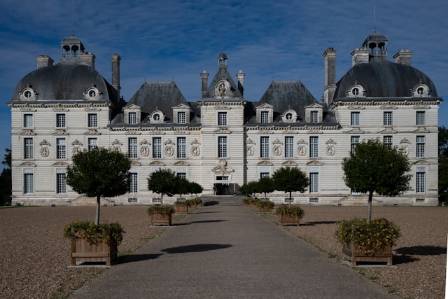
A medieval manor, which was also called a vill and derived from the Roman word villa, was a large agricultural estate. During the Middle Ages, more than 80 percent of England’s population lived outside towns and had little connection with urban life. Unlike modern farming communities where people often live on separate farms, most medieval villagers were tied to a manor, which served as both an economic center and a social organization.
MID · en

Different Types of Smart Homes Devices
By 2024, the number of smart homes around the world had reached approximately 411 million, and this figure is expected to grow to nearly 470 million in the coming years. The Philippines is also becoming part of this rapidly developing trend, with the country’s smart home market projected to reach around USD 350 million by 2030.
MID · en

Saddle Up with Style: 5 Essential Tips for Beginner Riders
Are you gearing up for your first equestrian adventure? Before you hit the trails, here are five essential tips to help beginner riders appear more confident and expert in the saddle:
MID · en
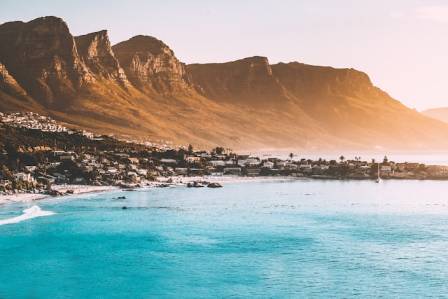
Golden Hours: 7 Cities That Paint the Sky With Breathtaking Sunsets
Few natural spectacles rival the magic of a stunning sunset, when the sky transforms into a canvas of fiery oranges, soft pinks, and deep purples. Across the globe, certain cities are blessed with the perfect conditions to create these unforgettable moments. Whether it’s the reflection over water, silhouettes of iconic landmarks, or unique atmospheric conditions, these destinations offer some of the most breathtaking sunset views in the world.
MID · en
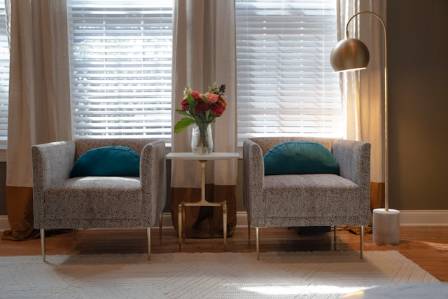
10 Ideas for a brilliant bay window seat
A bay window seat can be either a built-in feature or a freestanding seating arrangement positioned inside the recessed area of a bay window. Bay windows extend outward from the main exterior wall, forming a small alcove or additional pocket of space. Typically, they include a larger central window with narrower windows positioned on either side.
MID · en
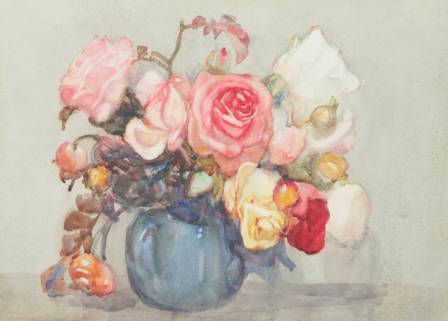
Painting flowers in watercolor
I have a deep passion for painting flowers in watercolor. Many people are amazed at how bright, dimensional, and lifelike floral watercolor paintings can appear, and I’m often asked how I achieve these results.