Corridor read
Fundamentals of Watercolor Floral Illustration: A Beginner’s Guide
Engaging in watercolor floral painting is an exceptional method to refine your artistic abilities and expand your creative portfolio. This curriculum focuses on the diverse methodologies used to capture the essence of nature. Throughout this journey, you will discover how to select the ideal paper for specific projects, prepare your pigments effectively, and organize a color palette that aligns with your personal style.
Anthony Lewis
Temple note
Layer tip
The full corridor digest continues below along soft meter ticks.
Path
Temple Corridor
Engaging in watercolor floral painting is an exceptional method to refine your artistic abilities and expand your creative portfolio. This curriculum focuses on the diverse methodologies used to capture the essence of nature. Throughout this journey, you will discover how to select the ideal paper for specific projects, prepare your pigments effectively, and organize a color palette that aligns with your personal style.
The process begins with mastering fundamental shapes before advancing to the nuances of adding depth, color, and intricate details. Whether you are looking to create a meditative practice for yourself or produce beautiful gifts for others, these techniques provide a solid foundation for your artistic growth.
Mastering Transparency and Delicate Petals
Transparency is one of the most enchanting qualities of watercolor. Learning to paint various transparent and semi-transparent flora allows you to explore the delicate interplay of light and pigment. By utilizing semi-staining and granulating paints, you can create professional-grade artwork that captures the ethereal beauty of real flowers. Once you grasp the layering techniques required for this style, the process becomes a satisfying, meditative experience.
For those interested in a slightly bolder look, semi-opaque flower buds offer a different challenge. This technique emphasizes brush control, teaching you how to form buds and leaves with singular, intentional strokes. Understanding the properties of your paint and the capabilities of your brushes is key to managing moisture and pigment flow on the paper.
Texture and the Magic of Granulation
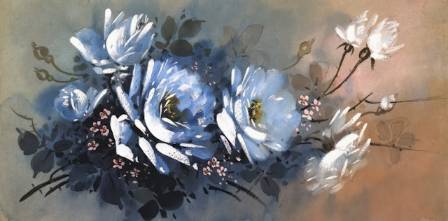
Granulating watercolors provide a unique opportunity to introduce natural texture into your floral designs. These specific paints settle into the valleys of the paper, creating a beautiful, sandy effect that mimics the organic irregularities found in nature. By layering these paints and experimenting with freehand petal shapes, you can produce flowers that possess both visual and tactile depth.
Layering is equally vital for achieving a luminous finish. By repeating transparent glazes, you can build a vibrant bouquet that seems to glow from within. Practice and repetition are the best ways to master these tricks of the trade, ensuring that each layer contributes to a cohesive and radiant final piece.
The Freedom of Loose Floral Styles
Loose watercolor painting is often favored for its expressive and fluid nature. This style relies on a high water-to-pigment ratio, allowing the colors to spread and blend organically across the page. Watching the paint move is often compared to observing a sunset or a flowing stream—the medium takes on a life of its own.
To prevent the painting process from becoming overwhelming, a "loose drawing" method can be used to block out your composition. This simple approach provides a structural guide without requiring perfect drafting skills. You can also learn to sketch directly with the brush, using watercolor itself to define the initial forms of your garden scene.
Enhancing Dimension through Detail and Negative Space
Adding detail to a loose painting requires a delicate balance; you want to enhance the subject without stifling its fluidity. Layering allows you to introduce just the right amount of definition, while light washes of darker tones can create the highlights and shadows necessary for three-dimensional realism.
Negative painting is another powerful tool in the floral artist's arsenal. By painting around a subject rather than just the subject itself, you can make specific shapes "pop" forward. This is particularly effective for white flowers or complex subjects like orchids. This method eliminates the need for masking fluid, offering a more abstract and fluid way to define your foreground.
Experimental Techniques: Splashes and Sunflowers
For those who enjoy spontaneity, the splash technique uses water and gravity to guide the paint. By allowing the medium to flow freely, every flower becomes a unique, expressive creation. This method can be elevated by adding professional details and choosing specific color palettes—contrasting warm and cool tones to achieve different atmospheric effects. This particular style is also a wonderful activity to share with family, as its playful nature makes it accessible to all ages.
Finally, painting loose sunflowers provides a casual way to liberate your style. The goal is to loosen your grip on the brush and allow the watercolor to manifest the vision in your mind. By focusing on stems, one-stroke leaf shapes, and the mixing of vibrant greens, you can complete your floral compositions with confidence and grace.
More along this corridor
MID · en
Fascinating Facts About One of America’s Favorite Birds
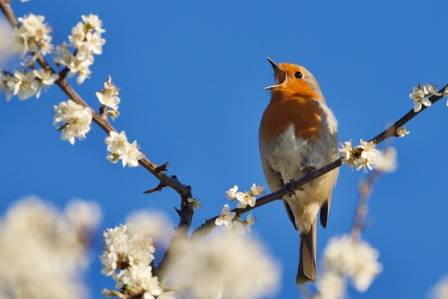
The American Robin (Turdus migratorius) is one of the most familiar birds in North America. Its reddish-orange breast makes it particularly easy to identify, even for people who are new to birdwatching. These birds are generally comfortable around people and are frequently found building nests and searching for food in urban and suburban areas.
MID · en

Why Neon Art Is Lighting Up the Contemporary Art Scene
Neon art, with its luminous glow and vibrant hues, has fascinated audiences for decades, combining visual spectacle with inventive use of light technology. From classic neon signs that light up city streets to avant-garde installations challenging perceptions of space, neon remains a compelling medium for artists to express ideas and engage viewers in striking ways.
MID · en
10 Best Volleyball Games on PC
Experience the thrill of volleyball from your PC! These games bring the excitement of the court to your screen, offering everything from realistic simulations to fun, arcade-style action.
MID · en

The Top 10 Best Golf Courses in the World Every Golfer Should Play
Golf’s most exceptional courses are more than just playing fields—they are living testaments to the sport’s heritage, blending natural beauty with meticulous design. From windswept coastal links in Scotland to immaculately manicured fairways in the United States, these courses offer unforgettable experiences that combine thrilling challenges with awe-inspiring scenery. Here are the top 10 destinations that define golfing excellence.
MID · en
16 Nature Plants That Feel Like Magic
The natural world often produces living things that seem to belong in a fantasy story rather than a garden. From flowers that resemble human organs to species that thrive by mimicking the scent of death, nature is full of surprises that can be more chilling than any ghost story. Here is a collection of some of the most unusual and eerie plants found on our planet.
MID · en
Dawn chorus(birds)
The dawn chorus is a natural phenomenon where birds sing at the start of a new day, typically during spring in temperate regions. This behavior is most noticeable in the early morning hours when birds are either defending their breeding territories, attracting mates, or calling to their flocks.