Introduction to Penjing Bonsai
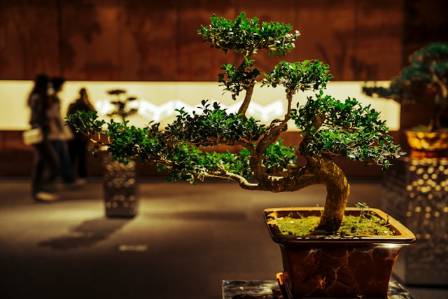
Penjing, also known as penzai, is an ancient Chinese art form that transcends mere horticulture, evolving into a profound expression of human reverence for nature through the creation of intricate miniature landscape scenes. Unlike conventional potted plants, penjing is a living artwork where artists and caretakers meticulously prune, shape, and nurture living plants to convey a spectrum of emotions, from serene tranquility to whimsical wonder. These miniature landscapes often incorporate carefully selected natural elements like rocks and moss, as well as tiny figurines such as horses, people, or houses, weaving a dream-like narrative that mirrors the grandeur of the natural world in a confined space. At its core, penjing is not just about replicating nature; it is about embodying the fundamental principles that govern the growth, balance, and harmony of the natural ecosystem. In modern times, indoor penjing and bonsai trees have become beloved additions to homes and offices worldwide, not only for their aesthetic appeal but also for their ability to infuse spaces with a sense of peace and tranquility. Beyond their visual charm, these miniature trees contribute to improving indoor air quality, filtering out toxins and releasing fresh oxygen. With proper care, patience, and attention to their unique needs, an indoor penjing can thrive for decades, even centuries, becoming a cherished legacy that brings joy and beauty to generations of enthusiasts.
The Rich History of Penjing and Bonsai
The etymology of penjing carries deep cultural significance in Chinese tradition: “pen” translates to “pot” and “jing” means “scenery” or “landscape”, encapsulating the essence of this art form as a “landscape in a pot”. Rooted in traditional Chinese philosophy, penjing is a living ode to mother nature, reflecting the ancient values of harmony between humans and the natural world. It is a stylized art that simulates wild, untamed natural environments, placing a diverse array of plant species within carefully controlled landscapes to capture the essence of mountains, forests, and valleys in miniature form. Bonsai, which later emerged as a distinct art form in Japan, owes its origins to the Chinese practice of penjing, though it evolved into a more refined and tightly controlled representation of nature. Today, both penjing and bonsai have evolved into globally acclaimed art forms, captivating the imaginations of children, inspiring the research of botanists, and becoming prized collectibles for art connoisseurs around the world. The history of penjing can be traced back to as early as the 1st century AD, with Daoist mystics creating miniature landscapes as a means to connect with the spiritual essence of nature. These early practitioners believed that penjing had the mystical power to condense the grandeur of entire landscapes into the confines of a small pot, allowing them to meditate on the beauty and power of nature in a tangible, accessible form. During the Tang Dynasty (618–907 CE), the art of growing tiny trees and plants in ornamental pots gained popularity among the imperial court and the elite. However, starting in the early 700s, penjing became an exclusive art form restricted to royal families, who viewed it as a symbol of status, wisdom, and connection to the divine. Approximately 200 years later, Buddhist monks traveling between China and Japan introduced penjing to Japanese culture, marking the beginning of a new chapter in the history of miniature horticulture. The exact timeline of penjing’s integration into Japanese society remains a subject of scholarly debate. Iwasa Ryoji, a former professor emeritus at Chiba University in Japan, proposed that Chinese-style penjing was adopted by the Japanese as early as the Heian period (794–1185), citing illustrations from that era depicting small trees and stones arranged in pots as evidence. However, 20th-century research has cast doubt on the authenticity and dating of these illustrations, leaving Professor Iwasa’s theory as a compelling yet unconfirmed hypothesis. What is certain is that by the Kamakura period (1185–1333), the Japanese had fully embraced the practice of cultivating miniature trees in small pots, infusing the art form with their own cultural beliefs, spiritual values, and aesthetic principles. Over time, this Japanese adaptation of penjing evolved into what we now know as bonsai, a distinct art form that embodies the deepest tenets of Japanese tradition and philosophy. Contrary to some theories that suggest penjing declined in China after its spread to Japan, extensive research indicates that the art form continued to flourish and evolve in its homeland for centuries. In his comprehensive work Informal History of Bonsai, the author notes that while penjing never achieved the same level of global popularity as Japanese bonsai, it maintained a dedicated following in China, passed down through generations of master artisans. Even today, mastering the art of penjing requires years of rigorous training and practice; aspiring artists often spend a decade or more studying under seasoned masters to hone their skills in pruning, wiring, and designing miniature landscapes.
Diverse Styles of Penjing
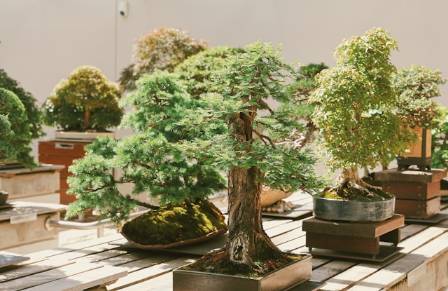
China’s vast geographical expanse and rich cultural diversity have given rise to a wide array of penjing styles, each reflecting the unique regional personality, climate, and artistic traditions of its place of origin. From the lush landscapes of the south to the rugged terrain of the north, different regions have developed distinct approaches to penjing design, resulting in styles such as Lingnan, Taiwan, Shanghai, and Yangzhou penjing. While these regional variations showcase the creativity and versatility of the art form, experts categorize penjing into three primary styles based on their core design elements and aesthetic principles: Shumu, Shanshui, and Shuihan. Shumu penjing is a tree-centered landscape style, where artists cultivate one or more trees within a container, shaping them to mimic the appearance of mature trees in their natural habitat. Defined by meticulous trimming, precise pruning, and strategic wiring, Shumu penjing aims to create a realistic, scaled-down representation of a forest or a solitary ancient tree. This style bears a striking resemblance to Japanese bonsai, as both focus on the beauty and character of individual trees, emphasizing the harmony between the tree’s form and the container it inhabits. Shumu artists pay close attention to every detail, from the thickness of the trunk and the arrangement of the branches to the texture of the bark, striving to capture the essence of a tree that has weathered the test of time. Shanshui penjing, whose name translates to “mountain-water” in Chinese, is a style that centers on the interplay between rocks and water to recreate the dramatic beauty of natural landscapes like mountains, cliffs, and rivers. Artists carefully select rocks of varying shapes, sizes, and textures, placing them in a shallow tray filled with water to simulate a serene lake or a flowing stream. Small living plants, such as moss, ferns, or tiny flowering shrubs, are then incorporated into the composition, clinging to the rocks to mimic the way vegetation grows in mountainous regions. Shanshui penjing is a celebration of the natural elements, emphasizing the balance between the solidity of the rocks and the fluidity of the water, and evoking a sense of tranquility and grandeur that mirrors China’s iconic mountain landscapes. Shuihan penjing is the most intricate and imaginative of the three primary styles, combining the key elements of Shumu and Shanshui to create highly detailed, narrative-driven miniature landscapes. These compositions often feature a harmonious blend of trees, rocks, water, and an array of tiny figurines, including houses, animals, bridges, and people. Artists use these elements to tell a story or convey a specific mood, whether it is a peaceful village nestled in a mountain valley, a traveler crossing a winding bridge over a stream, or a fisherman casting his net on a quiet lake. Shuihan penjing is a testament to the artist’s creativity and vision, as it allows for endless possibilities in design and storytelling. By merging the tree-focused design of Shumu with the natural element balance of Shanshui, Shuihan penjing creates a dream-like world that invites viewers to lose themselves in the beauty and narrative of the miniature landscape.
Penjing vs. Bonsai: Unveiling Differences and Similarities
For many enthusiasts, the distinction between penjing and bonsai can be a source of confusion, as both art forms involve the cultivation of miniature trees and share a common cultural origin. However, while penjing and bonsai are closely related, they are distinct practices with unique aesthetic goals, design principles, and cultural significance. Understanding their differences and similarities is key to appreciating the rich heritage of both art forms. At its core, Chinese penjing is a comprehensive art of miniature landscape creation, where artists combine various elements—including trees, shrubs, rocks, moss, water, and figurines—to build a complete, immersive representation of a natural scene. The possibilities in penjing are virtually limitless, constrained only by the artist’s imagination; a single penjing composition can depict anything from a dense forest to a mountain waterfall or a rural village. Penjing prioritizes the overall harmony of the landscape, treating the tree as one component of a larger, more complex ecosystem. In contrast, Japanese bonsai focuses on the cultivation of a single miniature tree or a small group of trees, aiming to create an authentic, scaled-down version of how the tree would grow in the wild. Bonsai artists use a range of techniques, including regular pruning, root trimming, re-potting, and wiring, to shape the tree’s trunk, branches, and foliage into a desired form, often emphasizing an aged, weathered appearance that conveys a sense of resilience and longevity. Bonsai is a minimalist art form that celebrates the beauty of simplicity, focusing on the tree’s natural grace and the relationship between the tree and its container. Despite their differences, penjing and bonsai share several fundamental similarities. Both art forms rely on the same core techniques of pruning, trimming, and wiring to shape their plants; these methods are not designed to stunt the plants’ growth but to guide it, creating a miniature form that retains the essence of the full-size plant. It is a common misconception that penjing and bonsai trees are genetically dwarfed; in reality, they are ordinary tree species that remain small through careful, consistent cultivation practices. Another key similarity is their longevity: in nature, many tree species can live for hundreds or even thousands of years, and with proper care, penjing and bonsai trees can match or even exceed this lifespan. The constant pruning and training stimulate new growth, ensuring that the plants remain healthy and vibrant for decades, if not centuries. Both art forms are deeply rooted in Eastern philosophy, drawing inspiration from the principles of Taoism, Zen Buddhism, and Confucianism. These philosophies emphasize harmony with nature, the pursuit of inner peace, and the appreciation of beauty in simplicity, values that are reflected in every aspect of penjing and bonsai design. Finally, it is important to recognize that while bonsai evolved from penjing, it has developed into a distinct Japanese tradition with its own unique identity. Bonsai has gained widespread global recognition, while penjing remains a cherished cultural treasure in China, a testament to the enduring legacy of one of the world’s oldest horticultural art forms.
How to Practice Penjing at Home
The art of penjing may seem intimidating to beginners, especially given that master artisans spend years training to perfect their craft. For most of us, the prospect of studying at a botanical garden in Shanghai or apprenticing under a renowned penjing master is not feasible. However, this does not mean that you cannot enjoy the beauty and satisfaction of creating your own penjing landscape in your backyard or home. With the right tools, a bit of research, and a lot of patience, anyone can embark on the journey of penjing cultivation. The first step to practicing penjing at home is to select the right container: a shallow pot with an adequate drainage system is essential, as penjing plants require well-drained soil to prevent root rot and promote healthy growth. The pot should complement the style of the landscape you intend to create; for example, a rustic, unglazed pot works well for a mountain landscape, while a sleek, glazed pot is ideal for a more modern tree-focused design. Next, you need to ensure that your penjing receives the proper light and temperature conditions. Most penjing plants thrive in bright, indirect sunlight, though the exact requirements vary depending on the species of plant you choose. Consistent temperature is also crucial; extreme fluctuations can stress the plants, so it is best to place your penjing in a location where the temperature remains stable throughout the day and night. Once you have the basic container and environment sorted, the next step is to do your research. Take the time to study different penjing styles, learn about the plant species that are suitable for miniature landscapes, and gather inspiration from books, online resources, and penjing exhibitions. In the Western world, the bonsai industry has grown significantly in recent years, providing enthusiasts with access to a wealth of resources, including best-selling books, Pinterest boards filled with design ideas, and local garden shops that specialize in miniature plants, rocks, and moss. The internet is also a treasure trove of information, with countless tutorials, forums, and videos that can guide you through every step of the penjing creation process. Finally, the most important ingredients for successful home penjing are curiosity and patience. Penjing is a slow, deliberate art form; it takes time for plants to grow and for the landscape to take shape. Do not be discouraged by initial mistakes—instead, view them as opportunities to learn and improve. Experiment with different plant combinations, rock arrangements, and figurine placements, and let your imagination guide you. With time and practice, you will be able to create your own stunning miniature landscapes, bringing the timeless beauty of penjing into your home.
Conclusion
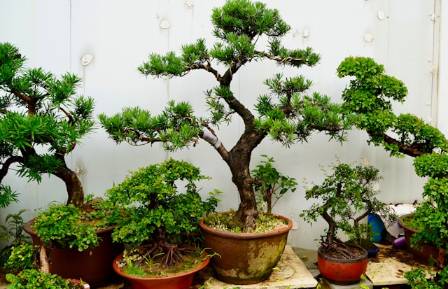
Penjing is often dismissed by casual observers as a mere decorative hobby, but this perspective overlooks the profound cultural and philosophical significance of the art form. At its heart, penjing is a celebration of the deep, interconnected relationship between humans and nature. By placing tiny figurines within a miniature landscape, artists invite viewers to reflect on their place in the natural world, fostering a sense of empathy and respect for the environment. In this regard, penjing shares a common goal with bonsai: both art forms seek to capture the majestic power and beauty of nature in miniature, evoking a sense of nostalgia for the natural world and inspiring a higher awareness of our responsibility to protect it. The centuries-long interaction between Chinese penjing and Japanese bonsai is a complex, fascinating story, one that reflects the cultural exchange and mutual influence between China and Japan. While it is difficult to trace the exact timeline of how penjing evolved into bonsai, the two art forms remain linked by a shared heritage and a common love for miniature horticulture. Despite their differences in style and philosophy, both penjing and bonsai offer enthusiasts the same profound sense of joy and satisfaction: the thrill of witnessing the power of living nature condensed into a small, beautiful space. This joy is difficult to put into words; it is an emotion that must be experienced firsthand, a feeling of wonder that comes from nurturing a living artwork and watching it grow and evolve over time. Whether you are a seasoned penjing master or a curious beginner, the art of penjing has something to offer everyone—a chance to connect with nature, express your creativity, and create a timeless legacy that will be cherished for years to come.