Corridor read
The Dawn of Human Space Exploration: The Pioneers
Humanity’s journey beyond the atmosphere began on April 12, 1961, when Soviet cosmonaut Yuri Gagarin became the first person to enter outer space. Aboard the Vostok 1 spacecraft, Gagarin completed a single orbit of the Earth during a mission that lasted 108 minutes. The craft was launched from a site originally identified as being near Baikonur, Kazakhstan, though it was later revealed the actual departure point was closer to Tyuratam to maintain strategic secrecy. Today, this historic site is known as Gagarin’s Start within the Baikonur Cosmodrome.
Olivia Katherine Ashford
Temple note
Layer tip
The full corridor digest continues below along soft meter ticks.
Path
Temple Corridor
Yuri Gagarin: The First Human in Outer Space
Humanity’s journey beyond the atmosphere began on April 12, 1961, when Soviet cosmonaut Yuri Gagarin became the first person to enter outer space. Aboard the Vostok 1 spacecraft, Gagarin completed a single orbit of the Earth during a mission that lasted 108 minutes. The craft was launched from a site originally identified as being near Baikonur, Kazakhstan, though it was later revealed the actual departure point was closer to Tyuratam to maintain strategic secrecy. Today, this historic site is known as Gagarin’s Start within the Baikonur Cosmodrome.
The Soviet Union submitted official documentation to the FAI in May 1961 to certify world records for flight duration, altitude (327 km), and payload mass. In his personal flight report, Gagarin noted that the physical stresses of the ascent did not hinder his ability to work. He described the transition into weightlessness as an unusual but manageable sensation. During his time in orbit, he maintained communication with ground control and observed the Earth’s surface, noting the distinct blue halo of the atmosphere and the absolute blackness of the space sky.
The Early American Response and the Apollo Foundation
Shortly after Gagarin's success, the United States achieved its first crewed spaceflight. On May 5, 1961, Alan Shepard piloted the Freedom 7 capsule. Unlike the Soviet orbital mission, Shepard’s flight followed a suborbital trajectory, reaching an altitude of 187 km before landing in the Atlantic Ocean. Despite the shorter duration, this mission provided the momentum for President John F. Kennedy to propose the ambitious goal of landing a human on the Moon before the end of the decade.
The American Mercury program continued with Gus Grissom, who piloted the Liberty Bell 7 on July 21, 1961, marking the second suborbital flight for the United States. These early steps were critical in developing the expertise required for the eventual Apollo lunar missions. Shepard himself would later return to space to command Apollo 14, becoming the fifth individual to walk on the lunar surface.
Vostok 2 and the First Full Day in Orbit
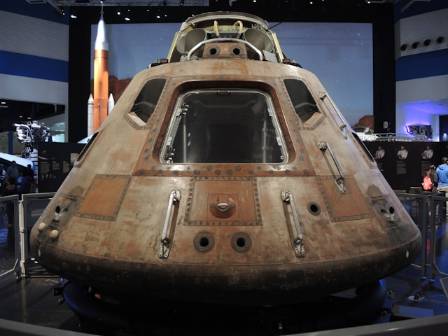
The Soviet program reached another milestone on August 6, 1961, with the launch of Vostok 2. Cosmonaut German Titov spent over 25 hours in space, completing more than 17 orbits around the globe. While the mission was a success, Titov faced challenges including space motion sickness and a drop in cabin temperature.
This flight established new world records for orbital distance and duration, proving that the human body could endure extended periods in a microgravity environment. Titov's mission provided vital data on the physiological effects of spaceflight, which would inform all future long-duration missions.
John Glenn and the First American Orbit
On February 20, 1962, John Glenn became the first American to successfully orbit the Earth. Aboard the Friendship 7, he completed three orbits, bringing the United States into direct competition with the Soviet Union’s orbital capabilities. Glenn’s legacy in space continued for decades; in 1998, at the age of 77, he flew aboard the Space Shuttle Discovery, making him the oldest person to travel into space and the only individual to fly in both the Mercury and Space Shuttle programs.
More along this corridor
MID · en

Gardenia Bush Care Guide
The classic gardenia shrub makes an unforgettable impression as soon as its first flower opens. Its creamy white blossoms release a rich fragrance that can carry across the garden, while its shiny, deep green evergreen leaves provide attractive foliage throughout the year.
MID · en
2 Artists Who Feature Bridges in Their Work
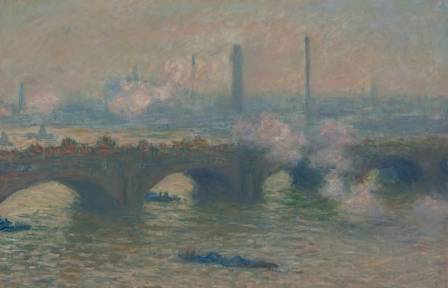
For my ongoing project, I’ve been focusing on the landscape of Lacock—a place rich with distinct elements, including Lacock Abbey, winding rivers, shallow fords, the main bridge, a smaller ford bridge, and sprawling vistas dotted with wildlife.
MID · en
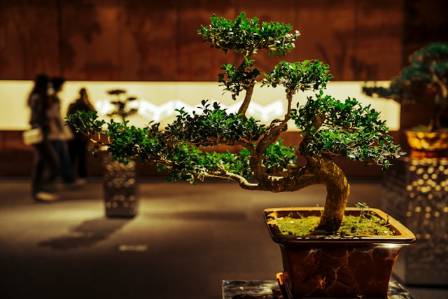
Penjing Bonsai: A Timeless Art of Miniature Landscapes
Penjing, also known as penzai, is an ancient Chinese art form that transcends mere horticulture, evolving into a profound expression of human reverence for nature through the creation of intricate miniature landscape scenes. Unlike conventional potted plants, penjing is a living artwork where artists and caretakers meticulously prune, shape, and nurture living plants to convey a spectrum of emotions, from serene tranquility to whimsical wonder. These miniature landscapes often incorporate carefully selected natural elements like rocks and moss, as well as tiny figurines such as horses, people, or houses, weaving a dream-like narrative that mirrors the grandeur of the natural world in a confined space. At its core, penjing is not just about replicating nature; it is about embodying the fundamental principles that govern the growth, balance, and harmony of the natural ecosystem. In modern times, indoor penjing and bonsai trees have become beloved additions to homes and offices worldwide, not only for their aesthetic appeal but also for their ability to infuse spaces with a sense of peace and tranquility. Beyond their visual charm, these miniature trees contribute to improving indoor air quality, filtering out toxins and releasing fresh oxygen. With proper care, patience, and attention to their unique needs, an indoor penjing can thrive for decades, even centuries, becoming a cherished legacy that brings joy and beauty to generations of enthusiasts.
MID · en

10 Remarkable Types of Rainbows You’ve Probably Never Seen
Most people believe they’ve experienced the full extent of rainbow beauty. While the classic rainbow is always a breathtaking sight, there’s a hidden world of lesser-known variations that can be even more captivating.
MID · en

The Definitive Guide to Men's T-Shirts: Style, Fit, and Fabric
While the T-shirt is a universal staple in every man's collection, achieving a truly polished aesthetic requires attention to specific technical details. This guide outlines how to select and wear this essential garment to ensure you look your best in any casual or elevated setting.
MID · en

The Mastery of Luxury Car Care: Upholding Distinction
Owning a luxury car transcends mere transportation; it signifies refined taste and a dedication to automotive excellence. To maintain the prestige and performance of your high-end vehicle, meticulous care is imperative. In this exhaustive manual, we delve into the realm of luxury car maintenance, providing expert insights and advice to ensure your investment remains an emblem of sophistication and unparalleled performance.